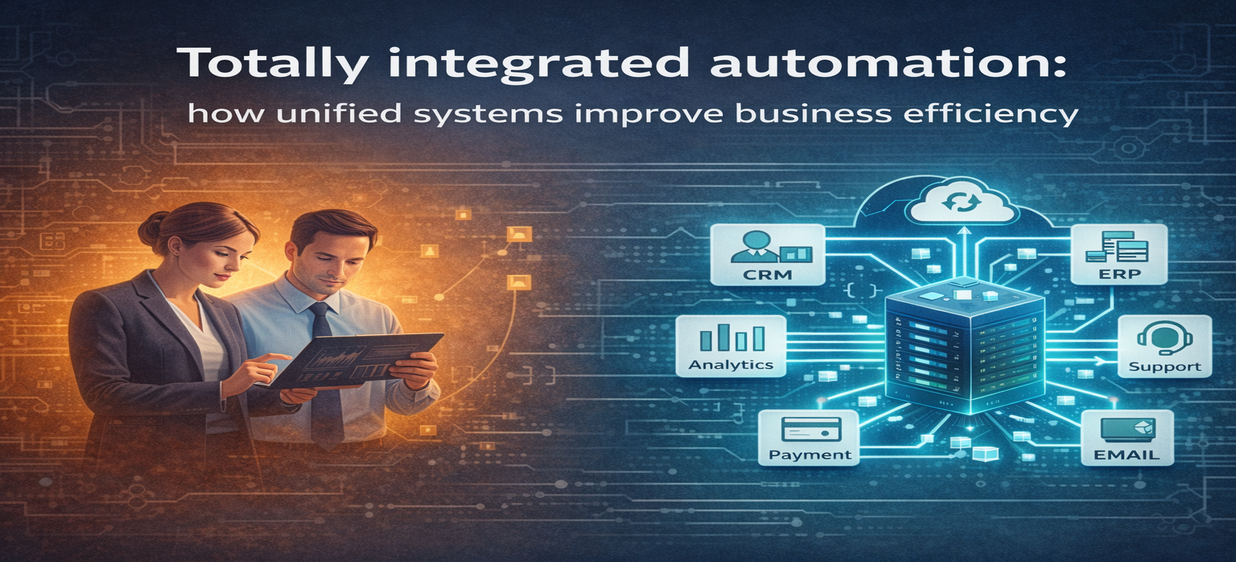
In complex SaaS ecosystems, fragmentation is rarely a strategic choice. It is usually the byproduct of growth: new tools, new vendors, temporary integrations that become permanent. Over time, these connections form a brittle mesh of APIs, scripts, and manual interventions. Totally integrated automation is an architectural response to that fragmentation.
When practitioners ask what is totally integrated automation, they are not referring to a single platform. They are describing an approach in which workflows, data flows, and control logic are unified under a coherent integration strategy. The objective is not convenience; it is predictability, observability, and operational stability across distributed systems.
What Is Totally Integrated Automation in Modern SaaS Environments
In most integration scenarios, totally integrated automation means consolidating orchestration, data synchronization, and event handling into a controlled architecture. Instead of connecting applications point-to-point, the system is designed around shared integration services or a central orchestration layer.
This approach typically includes:
- A unified event bus or message broker.
- Standardized API gateways.
- Centralized workflow orchestration.
- Shared identity and access control.
- Consistent monitoring and logging infrastructure.
The cause-and-effect relationship is straightforward. As the number of systems increases, the number of integration points grows exponentially in point-to-point models. Totally integrated automation reduces this combinatorial explosion by introducing structured mediation layers.
Architectural Models for Totally Integrated Automation
There is no single blueprint. Architecture depends on system maturity, regulatory requirements, and internal engineering capacity. In practice, I see three recurring patterns.
Before choosing an approach, it is useful to compare how each model behaves under scale and change.
| Architecture Model | Core Principle | Strengths | Limitations | Typical Use Case |
| Point-to-Point | Direct API connections | Fast initial setup | Fragile at scale | Early-stage SaaS |
| Hub-and-Spoke | Central integration layer | Controlled orchestration | Hub dependency risk | Mid-size enterprises |
| Event-Driven / Bus | Distributed event streams | High scalability | Higher complexity | Large digital ecosystems |
The table helps clarify trade-offs. For example, hub-and-spoke simplifies governance but introduces a single coordination layer that requires high availability design. Event-driven models scale better but demand strong schema governance and disciplined event versioning.
In most organizations moving toward total integrated automation, migration from point-to-point to a hub-based or event-driven structure is gradual rather than disruptive.
Operational Orchestration and Workflow Control
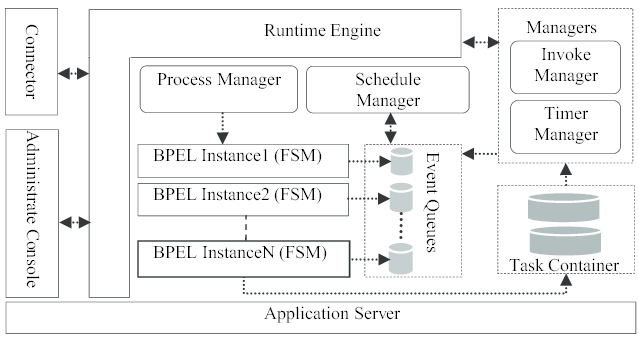
Automation becomes “total” only when workflows are orchestrated, not just connected. A common integration challenge is assuming that API connectivity equals automation maturity. It does not.
True orchestration includes:
- Trigger normalization (events, schedules, user actions).
- Conditional routing and branching logic.
- Error handling and retries.
- Compensation logic for partial failures.
- State tracking across distributed services.
In real implementations, partial failures are the rule rather than the exception. If a CRM update succeeds but a billing system update fails, the orchestration layer must reconcile that state. Without this control logic, so-called automated integration total service models degrade into silent inconsistencies.
Data Consistency and Canonical Modeling
One of the least visible yet most critical aspects of totally integrated automation is canonical data modeling. Systems rarely agree on schema, naming conventions, or object hierarchies.
In practice, integration teams introduce a canonical model that abstracts:
- Core entities (customer, order, invoice, subscription).
- Attribute naming conventions.
- Status mappings.
- Data validation rules.
This reduces direct schema coupling between applications. However, it introduces an architectural trade-off: the canonical layer must evolve carefully. Versioning errors or poorly governed transformations can propagate inconsistencies at scale.
In most integration scenarios, schema governance is underestimated during early design phases. Later, it becomes the dominant maintenance burden.
Security, Identity, and Access Governance
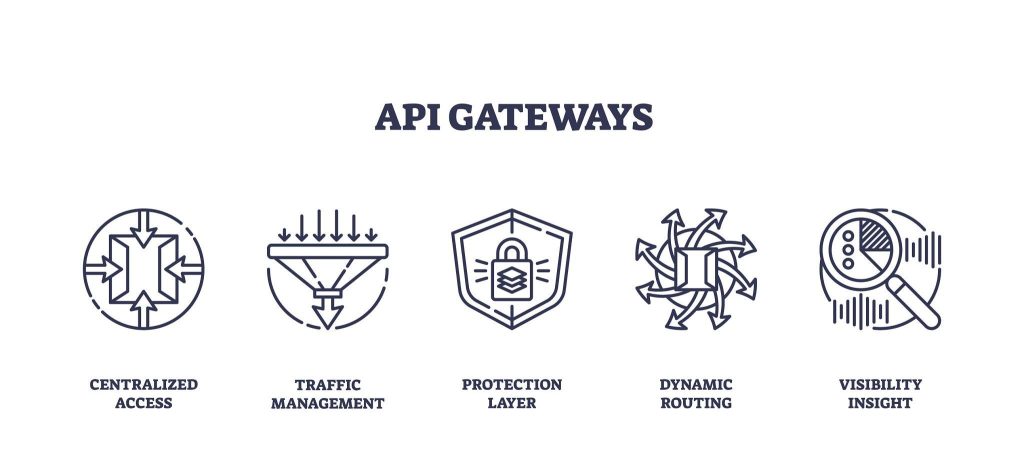
When systems are unified, access paths multiply. Totally integrated automation therefore requires centralized identity management and consistent policy enforcement.
Key architectural components typically include:
- Single sign-on (SSO) across platforms.
- Token-based API authentication.
- Centralized policy enforcement.
- Role-based access controls.
- Audit logging and traceability.
A recurring implementation mistake is layering automation on top of fragmented identity systems. This creates shadow permissions and complicates incident response. Secure automation requires that integration layers respect and enforce access boundaries consistently.
Observability and Failure Management
Automation that cannot be observed becomes operational risk. In distributed ecosystems, visibility is not optional.
A robust approach to totally integrated automation typically includes:
- Centralized logging aggregation.
- Structured error classification.
- Distributed tracing.
- Alert thresholds based on business impact.
- Retry queues with dead-letter handling.
In most real-world deployments, the majority of engineering time after go-live is spent on improving observability. Without traceability across systems, root-cause analysis becomes guesswork.
Products for Totally Integrated Automation: Platform vs Custom Stack
Organizations often evaluate products for totally integrated automation against custom-built infrastructure. The decision depends on system complexity and long-term ownership capacity.
Platform-based solutions usually provide:
- Visual workflow builders.
- Pre-built connectors.
- Central monitoring dashboards.
- Managed scalability.
Custom stacks, by contrast, allow:
- Fine-grained architectural control.
- Optimized performance tuning.
- Flexible event modeling.
- Deep integration with internal services.
In most integration scenarios, a hybrid model emerges. Core orchestration may rely on a managed platform, while high-throughput or mission-critical flows are handled through custom services. The architectural decision should be based on governance maturity, not vendor promises.
Implementation Phases and Common Pitfalls
Totally integrated automation cannot be implemented as a single migration event.
It typically evolves in structured phases:
- Audit existing integrations and dependencies.
- Identify redundant or fragile connections.
- Define canonical models and orchestration strategy.
- Introduce centralized logging and monitoring.
- Gradually refactor point-to-point links.
Common mistakes include:
- Attempting full redesign without incremental validation.
- Ignoring legacy system constraints.
- Underestimating data mapping complexity.
- Over-automating unstable processes.
Automation amplifies both strengths and weaknesses. If underlying business processes are inconsistent, integration will replicate that inconsistency at machine speed.
Scalability, Change Management, and Long-Term Stability
The long-term value of total integrated automation lies in its ability to accommodate change without systemic collapse. New SaaS tools, new compliance rules, and new data flows are inevitable.
Architectures designed with:
- Loose coupling.
- Event-based communication.
- Versioned APIs.
Clear ownership boundaries tend to adapt more predictably. However, scalability depends on governance discipline as much as on technical design.
In most mature environments, integration architecture becomes a shared responsibility between platform engineering, security, and operations teams. Without coordinated ownership, even well-designed systems degrade.
Conclusion: Predictable Integration as a Strategic Capability
Totally integrated automation is not defined by the number of connected systems. It is defined by architectural coherence, operational visibility, and controlled evolution. Unified systems can improve business efficiency, but only when orchestration, data governance, and observability are treated as first-class concerns.
In practice, sustainable integration architecture depends on disciplined modeling, incremental refactoring, and careful orchestration of distributed processes. Stability emerges not from eliminating complexity, but from structuring it in predictable layers.
Over time, organizations that treat automation as infrastructure rather than tooling tend to achieve more scalable, maintainable, and resilient digital ecosystems.